As someone who two years ago was diagnosed with colorectal cancer and who, by the grace of HaShem and an outstanding consultant and surgeon was cured, I feel an overwhelming moral responsibility to urge people to look out for symptoms of colon/ bowel cancer before it is too late. It is a vile disease and each year we lose far too many good people. Yes the treatment is unpleasant but the alternative is far worse. The reality is those who seek treatment early can recover, even if, like me you delay for a while before going to your doctor. A diagnosis is not an automatic death sentence.
So, let's look at the facts:
Good news and bad
First, the good news, among Americans under the age of 50, the overall cancer mortality has plummeted by 44% over the last quarter of a century and better diagnostic tools, along with a sharp reduction in smoking, help to explain why deaths from leukaemia as well as lung, breast and brain cancer are falling so dramatically.
Unfortunately, but inevitably there is also bad news - cancer mortality rates in the UK for those under 50 show a concerning trend and while overall cancer deaths are falling, incidences in under-50s have risen by 24% since 1995. Approximately 6,000 younger adults die from cancer annually in the UK, with early-onset bowel cancer mortality projected to rise significantly. In addition, colorectal cancer has risen 1.1% annually since 2005 advancing it from the fifth most common cause of cancer death in the early 1990s to second place today,

Of even more concern is the fact the data shows how Jews, in particular should be especially alarmed as the research has shown how people of Ashkenazi, or Eastern European Jewish descent are likely to be two or three times more likely to develop colorectal cancer than nearly any other ethnic grouping.
According to the Norton and Elaine Sarnoff Center for Jewish Genetics, "Individuals of Ashkenazi Jewish ancestry have among the highest rates of colorectal cancer (CRC) of any ethnic group. In the general population, the lifetime risk of CRC is about five percent. In the Ashkenazi Jewish populations, this risk is two to three times greater than the general population.
About 10 percent of colorectal cancer is hereditary and within these two known cancer syndromes account for a significant proportion of hereditary colorectal cancer. However, having a cancer gene mutation does not mean a person will definitely have cancer, but it does increase their cancer risk.

Alan Herman , National Executive Director of ICRF and a cancer survivor
According to Alan Herman, the executive director of ICRF, which is the largest non-governmental funding resource for cancer research in Israel. “Colorectal cancer is rising at an alarming rate among young adults, challenging long-held assumptions about who is at risk ... These realities make research more urgent than ever. By funding Israel’s most promising cancer scientists, the ICRF is driving discoveries that could lead to earlier detection, better treatments and ultimately save lives.”
Indeed, Israel has been very much at the heart of research into colorectal cancer. For example, Irit Ben-Aharon, is a medical oncologist specialising in gastrointestinal cancers and is Director of the Fishman Oncology Centre at Haifa’s Rambam Health Care Campus and also heads the European Organisation for Research and Treatment of Cancer task force for young-onset gastrointestinal cancer.
“There’s been an increase in the past three decades of early-onset colorectal cancer, and we don’t really know the reason,” she said. “Only 15% to 20% of these cases are hereditary; the rest came out of the blue.”
There has long been a belief that eating red meat and, in particular highly processed meats such as hot dogs and sausages is a major risk factor in early-onset colorectal cancer. However, Ben-Aharon remains unconvinced. "I don’t think it’s diet only — it’s multi-factorial,” she argues. “When you look at the data, if it would have been only diet, you’d not see the incidence of early-onset colorectal cancer rising all over the world. Diets are different in the U.S., Japan and Scandinavia, yet you see this increasing trend everywhere, and we probably would have seen a much higher incidence, as many people eat ultra-processed food and don’t develop colorectal cancer.”
Of major interest is her belief that bacteria may play a part in causing colorectal cancer., “Some toxins from specific bacteria have been shown to have increased levels in cases of early-onset colorectal cancer, implying these bacteria may induce cancer. Also, there is evidence linking increased risk due to exposure to specific pesticides.”
With regard to prevalence of colorectal cancer amongst Jews she has argued it is more common because Ashkenazi Jews are genetically predisposed to the disease, though not necessarily to the early-onset form of CRC.
“Environmental factors such as diet and other exposures like plastic and pesticides — and the combination with specific predisposition and host features such as microbiome and other pathways — may underlie this trend,” she said.
“Elucidating the interplay between environmental factors and unique features of patients predisposed to developing cancer at an early age would allow us to delineate the high-risk population,” she added.
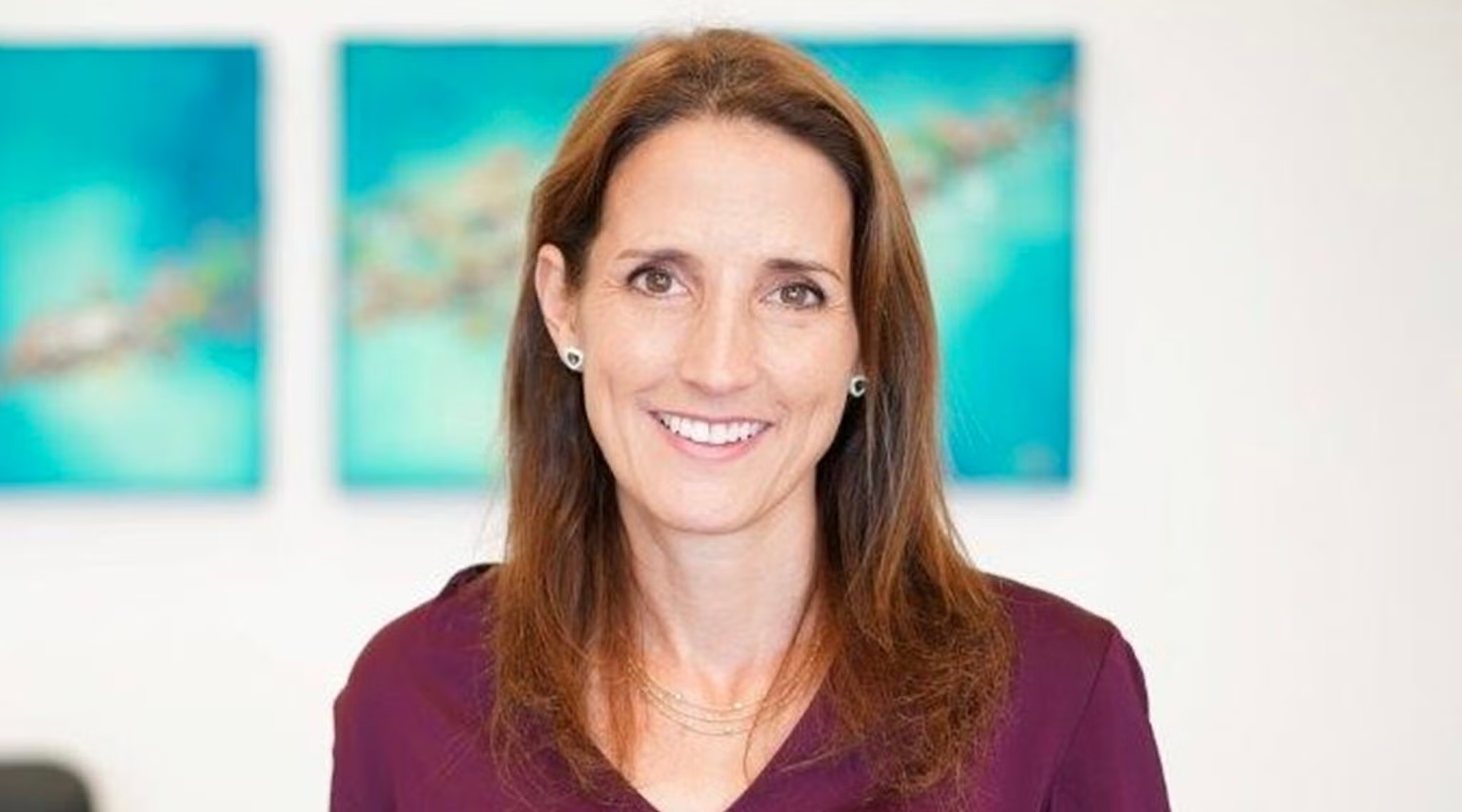
Hope for more effective and less toxic treatment
Drug discovery expert Professor Nir London works at Rehovot’s Weizmann Institute of Science as well as being the president of the Israel Chemical Society’s medicinal chemistry section.

Professor Nir London
“Many cancers are driven by specific mutations, which we call driver mutations. They tend to appear in the same types of cancers,” argues Professor London, “If a particular cell gains this mutation, it has a high propensity to transform into a cancerous cell. Such cancers get addicted to the mutation, so if you inhibit a protein with this mutation, you’ll have a way to mitigate the cancer’s growth. It’s a soft spot.”
“Not all colorectal cancers are the same,” London said. “We are focusing on developing drugs that are specific to a vulnerability found in about 13% of CRC patients. If successful, this could bring hope to hundreds of thousands of patients.”
In other research, Gilad Bachrach, who teaches at Hebrew University-Hadassah’s Institute of Dental Science in Jerusalem has focussed on oncobacteriology — the study of bacteria as a treatment for cancer.
“Cancer has been treated by surgery and then by chemotherapy, radiotherapy and, most recently, immunotherapy. We believe bacteria therapy can be the next potential option in cancer treatment,” Bachrach said.
“We know bacteria are involved in cancer promotion, as well as anti-cancer activities,” he added. “Now the challenge is to harness bacteria for cancer detection and therapy.”
Ultimately, he said, “surgery, radiotherapy, chemotherapy and immunotherapy are established cancer treatments. My hope is that using bacteria to identify and target cancer will become the next major breakthrough in the field.”
Now, I cannot speak for other people who have experienced treatment for cancer, so here I can only speak for myself. Chemotherapy felt like being hit by a bus and while after only six weeks my cancer was substantially reduced, the treatment process was debilitating and unpleasant with symptoms that, in my case included extreme exhaustion, loss of appetite, inabillity to stand cold weather, nausea and quite severe anaemia. In addition, as a diabetic, glucose levels that had once been previously stable suddenly went out of control resulting in an urgent trip to the A&E department..
So any new treatment offering a significant improvement to general wellness can only be of benefit to the patient.
Political constraints
While scientific discoveries like those shown above give us all hope, all is not well in the implementation of cancer healthcare delivery. In the USA, there are clear budget shortfalls, exacerbated by projected reductions in federal funding for the National Institutes of Health (NIH) and National Cancer Institute (NCI), resulting in delays in colorectal cancer treatment and stalling research, forcing clinical trial cuts across the USA. These fiscal constraints have resulted in treatment delays of four weeks or more for patients, allowing tumours to spread.


So while we have outstanding breakthroughs happening across the world and I have only concentrated today on Israeli innovation, we have neither the practical facilities or the budget to implement these developments and until there is a willingness to bring about significant change across health provision internationally people will die unnecessarily.
So, should we be concerned? Well clearly any illness affecting Jews more than the rest of the population and more needs to be done to protect us but I'm not calling for armed rebellion or revolution her. The solution is much simpler and in our own hands.
A commercial FITT test is available to buy through your pharmacy or you csn ask your doctor. They only cost £60 or so, making them.reasonably affordable
In addition, my US readers have the additional benefit of being urged to have occasional colonoscopies that can detect this form of cancer.
The bottom line is don't sit by and do nothing - the price of peace is eternal vigilance.


No comments:
Post a Comment